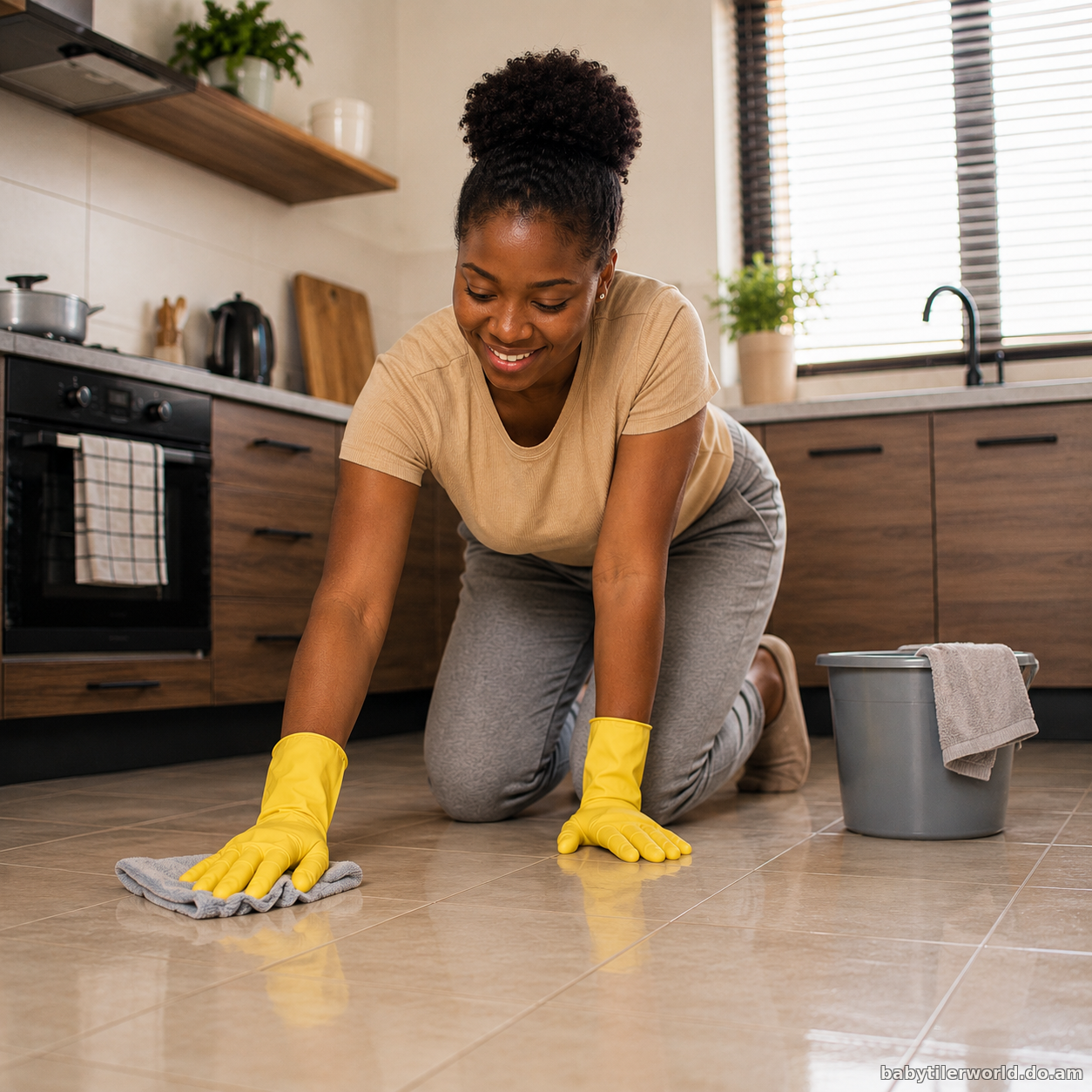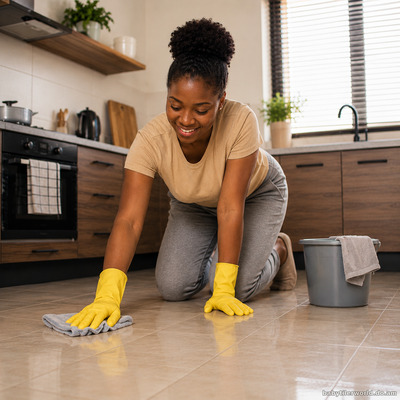
Walk into a clean home, and you notice it almost immediately. The air feels fresher. The space looks brighter. There is a sense of comfort that goes beyond appearance.
What many people don't realize is that regularly cleaning tile surfaces is not just about keeping your home looking beautiful. It also plays an important role in creating a healthier living environment.
Tile is one of the easiest flooring materials to maintain, but like any surface, it collects dust, bacteria, allergens, grease, mold, and other contaminants over time. When neglected, these contaminants can affect indoor air quality, increase allergy symptoms, and even create safety hazards.
In this article, we'll explore why cleaning your tile floors regularly is one of the simplest habits you can adopt for a healthier home.
Tiles Collect More Than Dirt
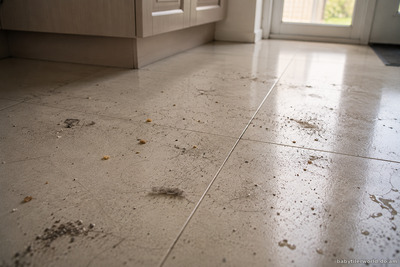
At first glance, your floor may appear clean.
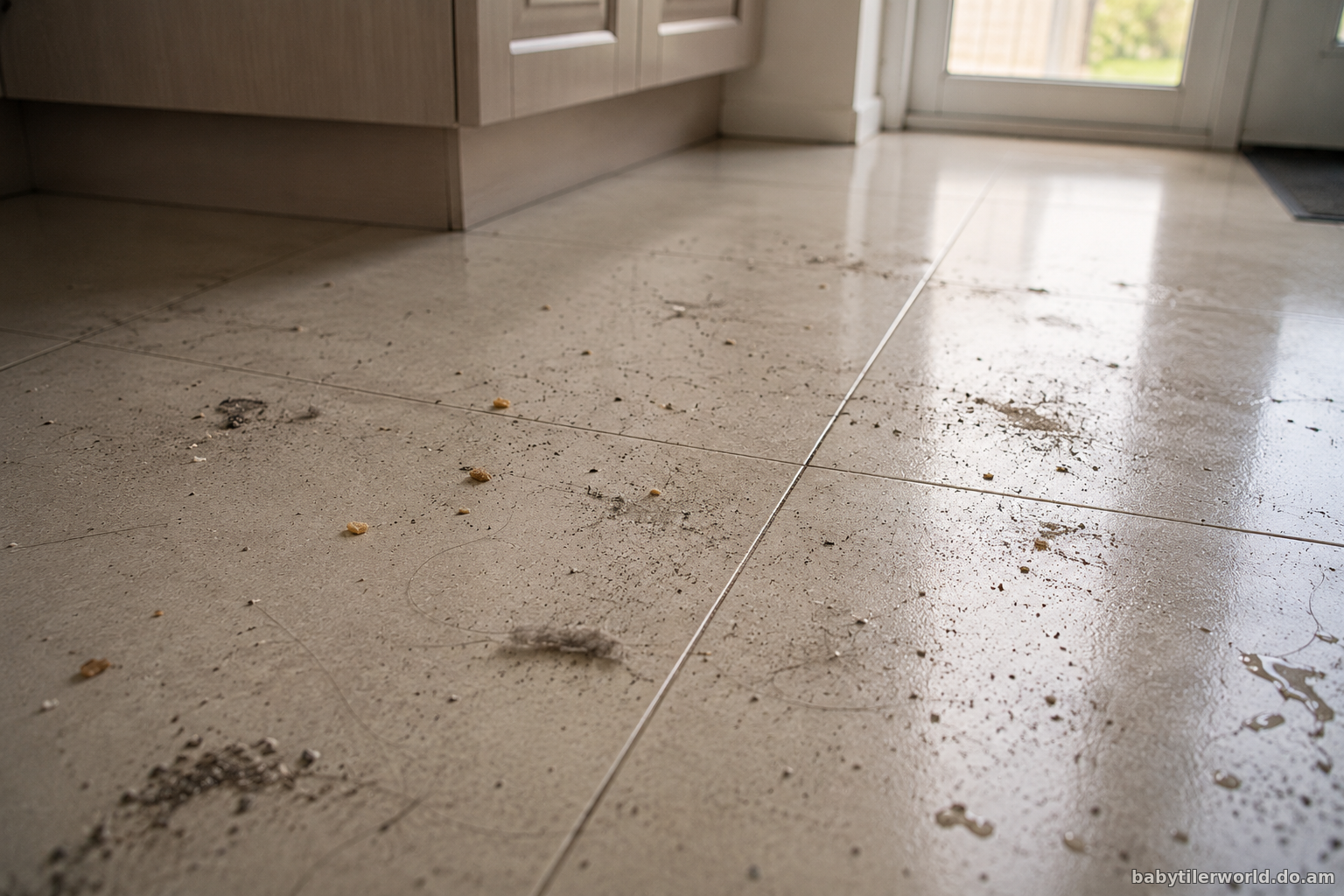
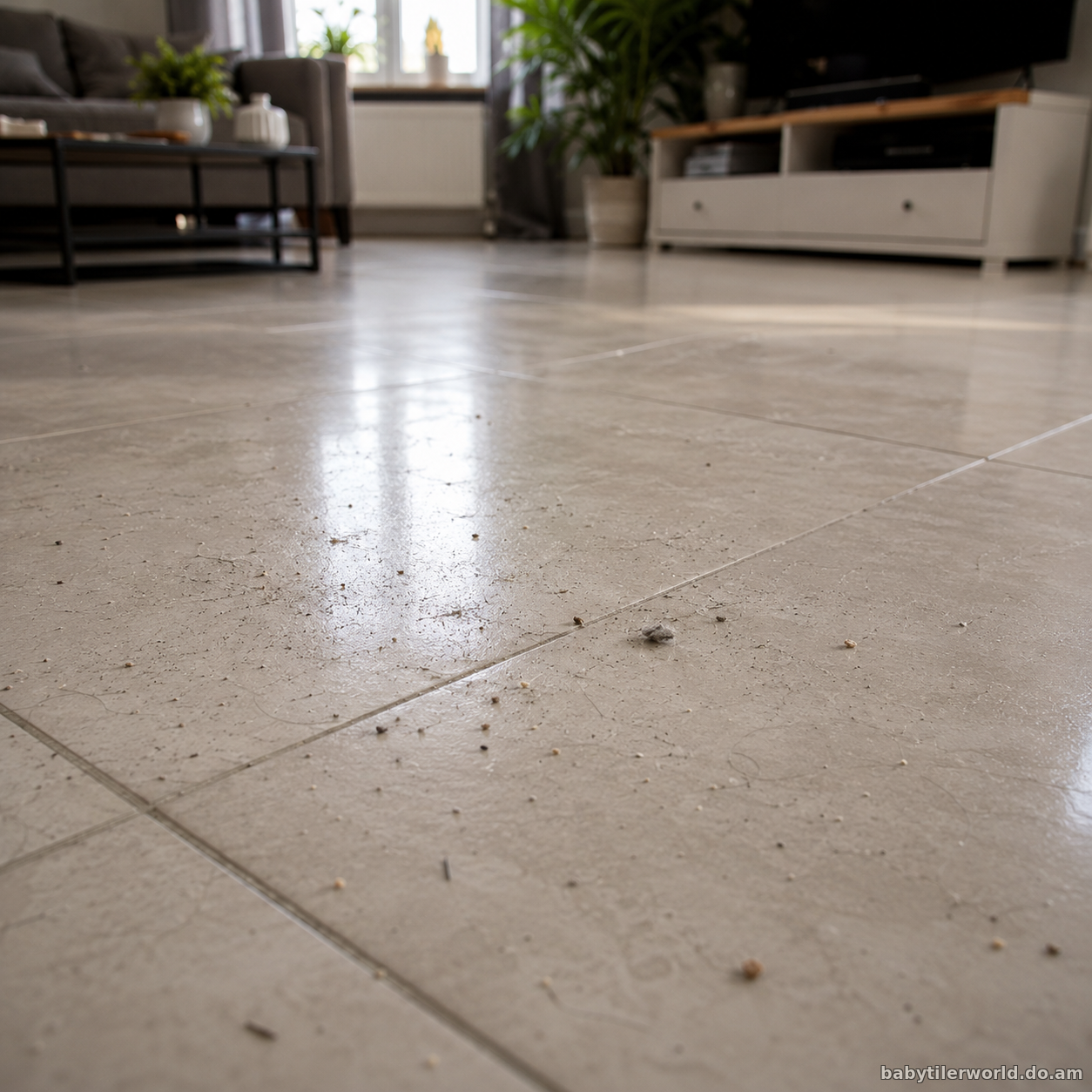
However, every day, people track in dust, pollen, bacteria, pet dander, food particles, and outdoor contaminants on their shoes. Even homes where shoes are removed indoors still accumulate dust from the air.
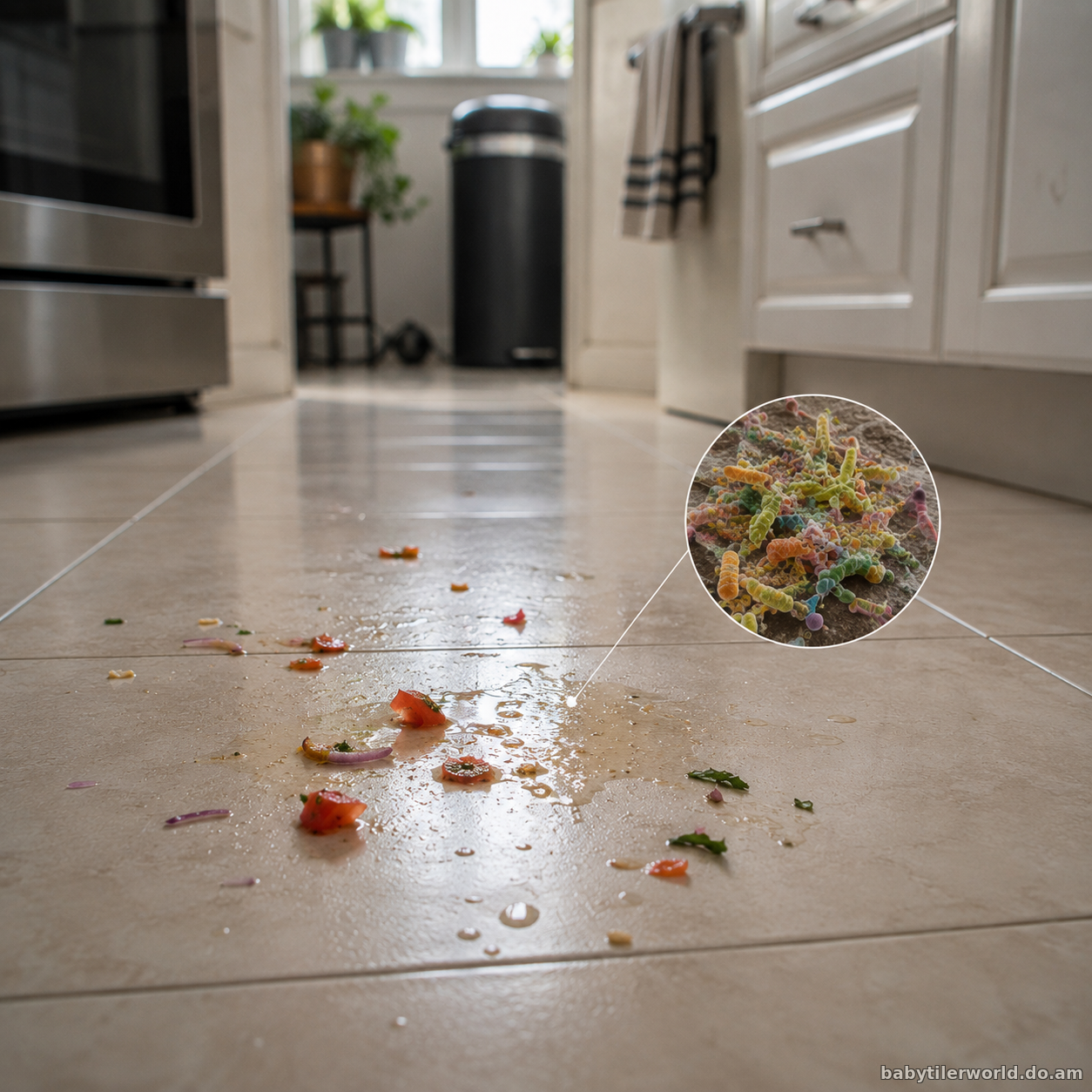
Kitchen tiles often collect:
* Food residue
* Cooking grease
* Sugar spills
* Oils
* Moisture
Bathroom tiles collect:
* Soap scum
* Skin cells
* Shampoo residue
* Hard water deposits
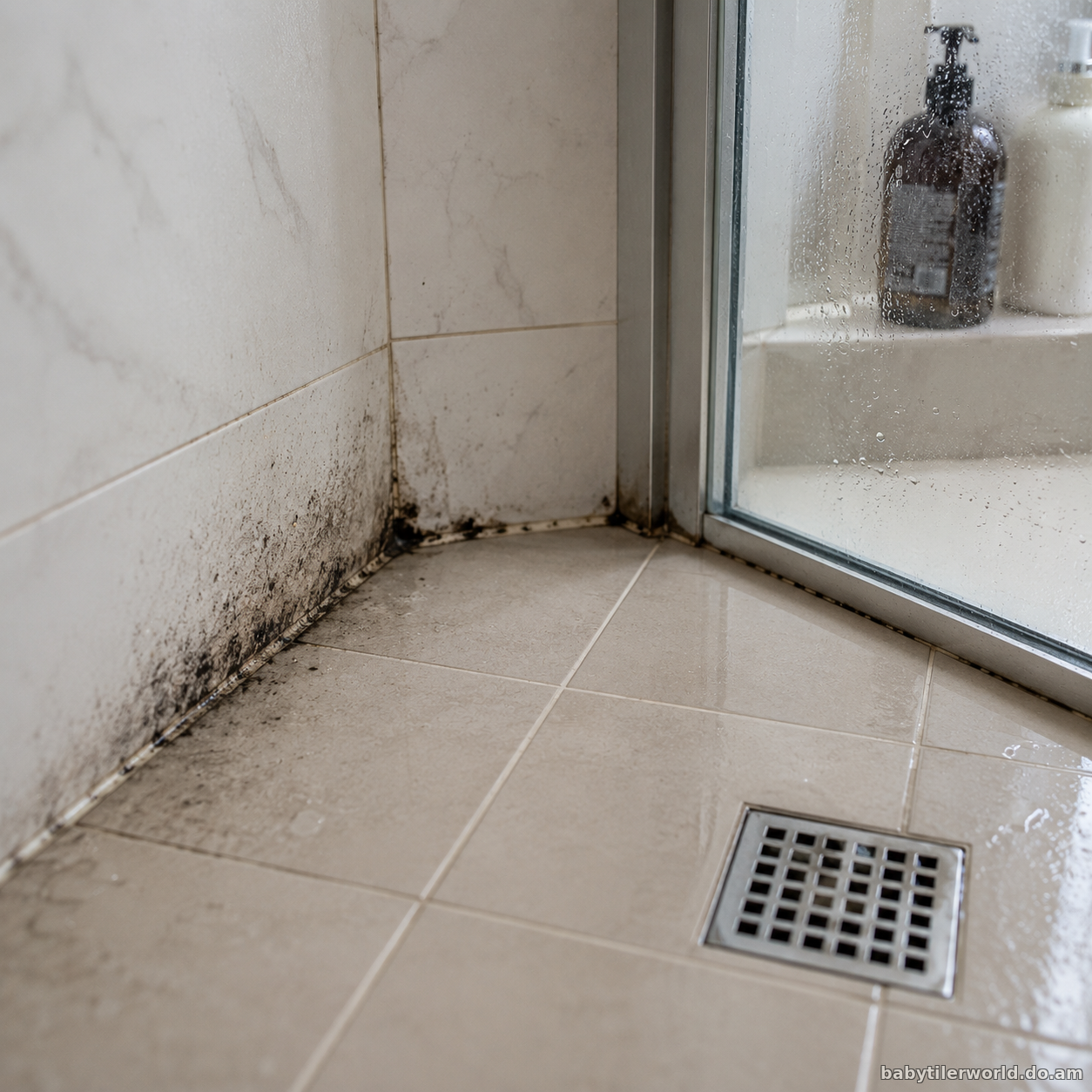
* Moisture that encourages mold growth
Living room and hallway tiles accumulate:
* Dust
* Pet hair
* Outdoor dirt
* Pollen
* Fine particles carried by airflow
Over time, these substances build up, especially in grout lines, corners, and areas that are not cleaned frequently.
Better Indoor Air Quality
Many people associate indoor air pollution with carpets, but hard floors also contribute to air quality.
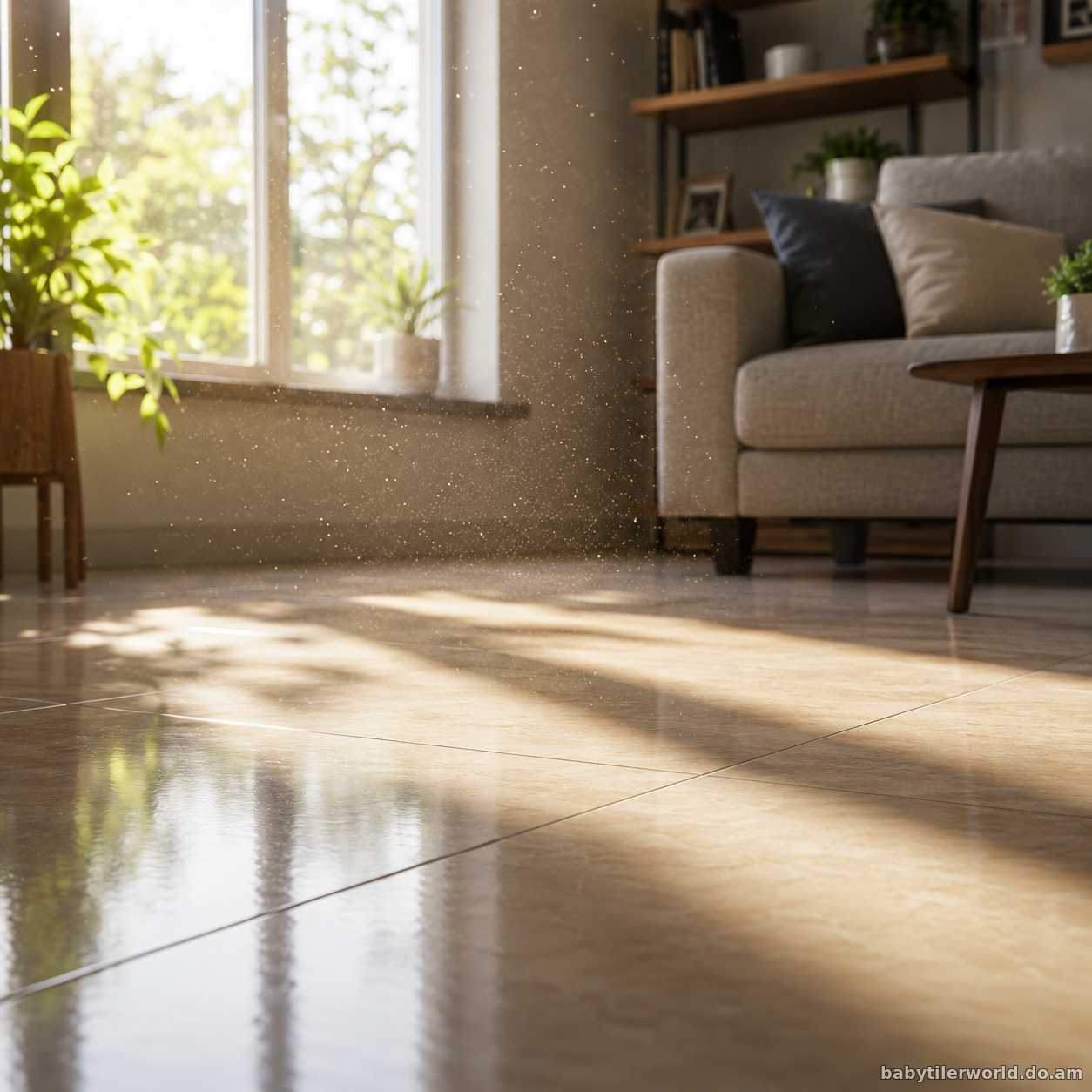
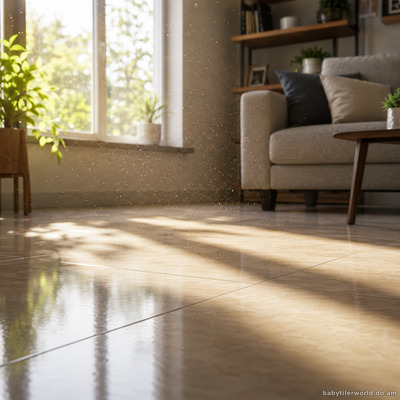
Dust does not simply stay on the floor. Every time someone walks across a room, tiny particles become airborne again.
These particles may include:
* Dust mites
* Pollen
* Pet dander
* Soil particles
* Mold spores
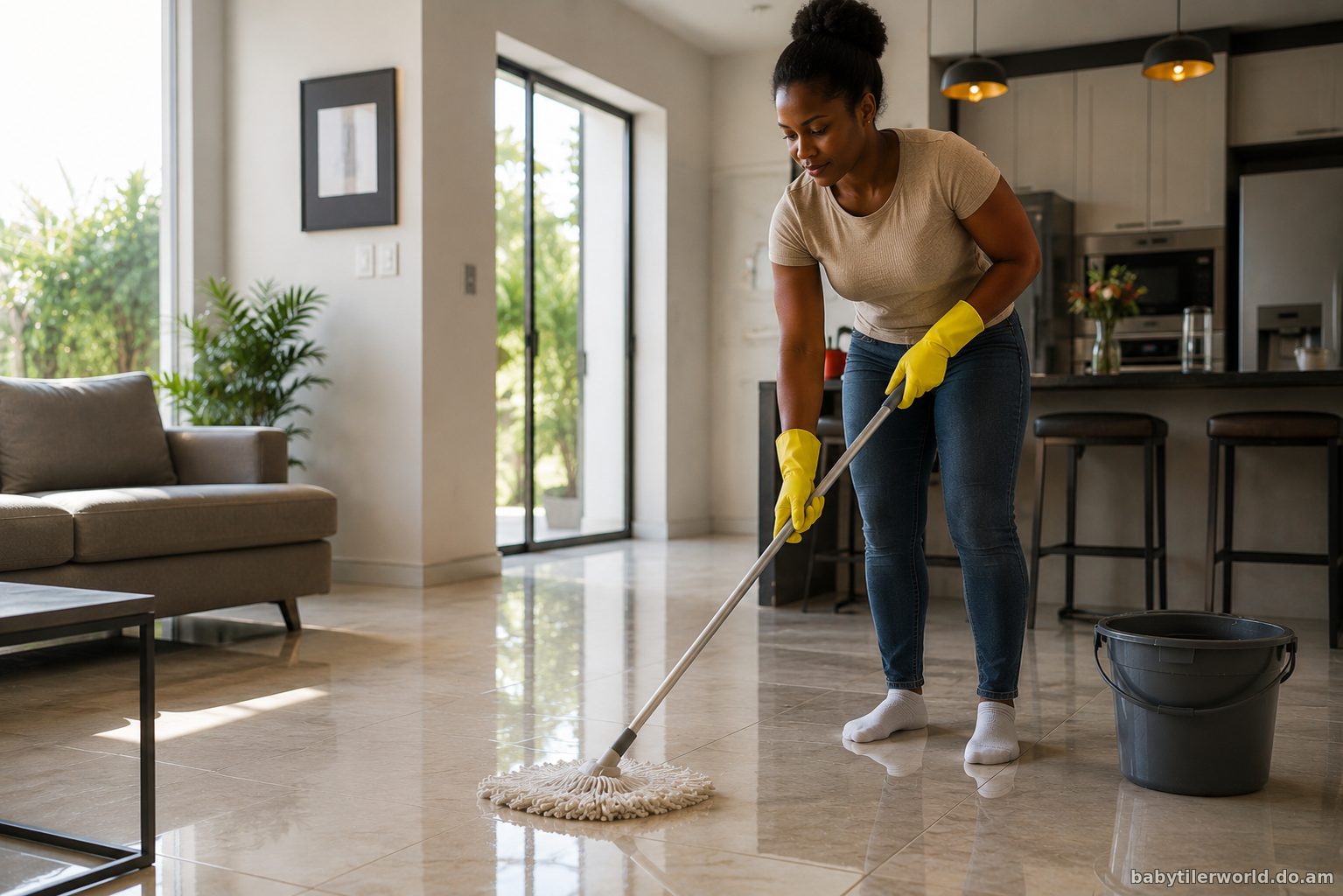
Regular sweeping, vacuuming, and mopping remove these particles before they continue circulating throughout your home.
Cleaner floors mean cleaner indoor air, which benefits everyone, especially people who spend most of their time indoors.
Reduces Allergy Triggers
Millions of people suffer from allergies caused by common indoor allergens.
Some of the most common include:
* Dust mites
* Pollen
* Pet dander
* Mold spores
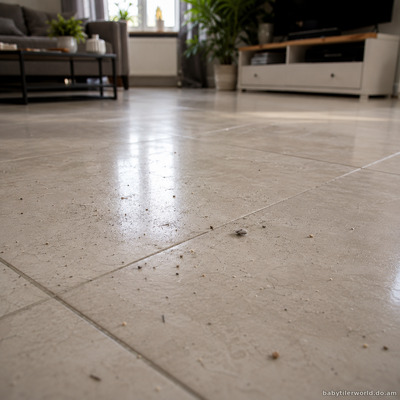
Although tile itself does not trap allergens the way carpet can, allergens still settle on the tile surface.
Without regular cleaning, walking across the floor stirs them back into the air where they can be inhaled.
People who suffer from:
* Seasonal allergies
* Asthma
* Dust allergies
often benefit from maintaining cleaner hard floors because fewer allergens remain available to become airborne.
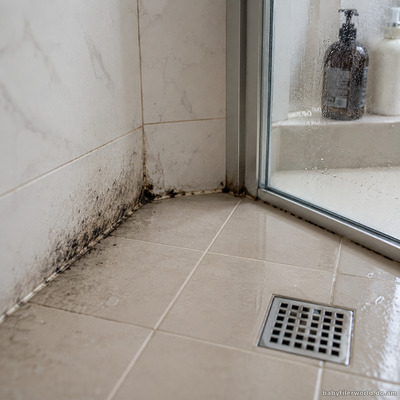
Helps Prevent Mold Growth
Moisture is one of the biggest threats inside bathrooms, laundry rooms, kitchens, and entryways.
Standing water combined with poor ventilation creates an ideal environment for mold.
While ceramic and porcelain tiles themselves are highly resistant to moisture, grout lines are more porous.
If moisture is allowed to remain for extended periods, mold can begin growing within grout or around silicone sealants.
Regular cleaning helps by:
* Removing excess moisture
* Eliminating soap residue
* Preventing organic buildup
* Making mold easier to spot before it spreads
Keeping these areas dry after cleaning further reduces mold risk.
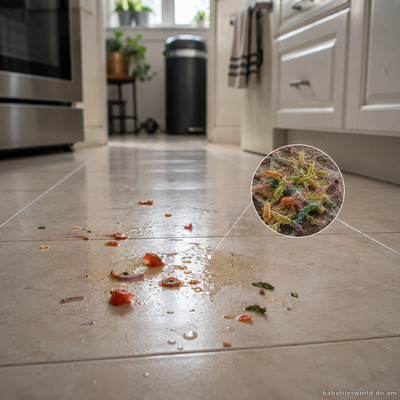
Reduces Harmful Bacteria
Kitchen floors experience more contamination than most homeowners realize.
Raw meat juices, dropped food, spills, and pet activity can introduce bacteria onto tile surfaces.
Bathrooms are another area where bacteria naturally accumulate due to constant moisture and frequent use.
Routine cleaning with appropriate floor cleaners helps reduce bacterial contamination and creates a more hygienic environment for your family.
This becomes particularly important in homes with:
* Young children
* Elderly adults
* Pets
* Individuals with weakened immune systems
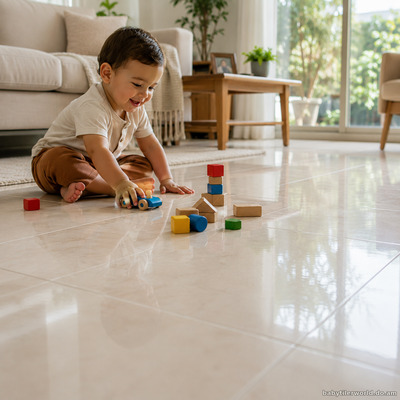
Protects Children Who Spend Time on the Floor
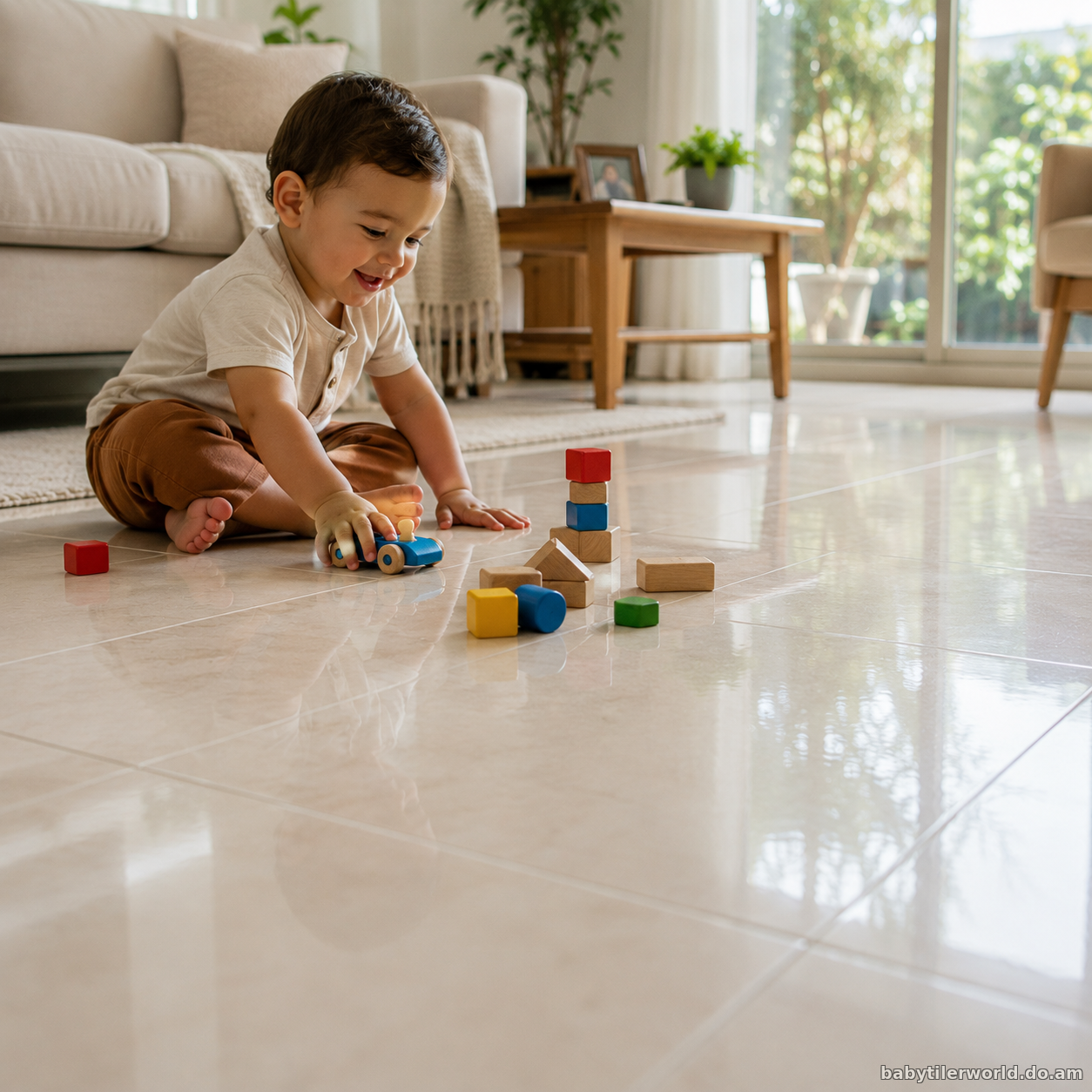
Children naturally spend much more time close to the floor than adults.
They crawl, play, sit, and often place toys directly onto tiled surfaces.
If floors are not cleaned regularly, children may come into contact with:
* Dirt
* Food residue
* Pet hair
* Dust
* Germs
Maintaining clean tile floors provides a healthier surface for everyday play and exploration.
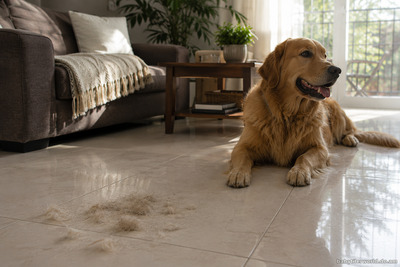
Helps Control Pet Allergens
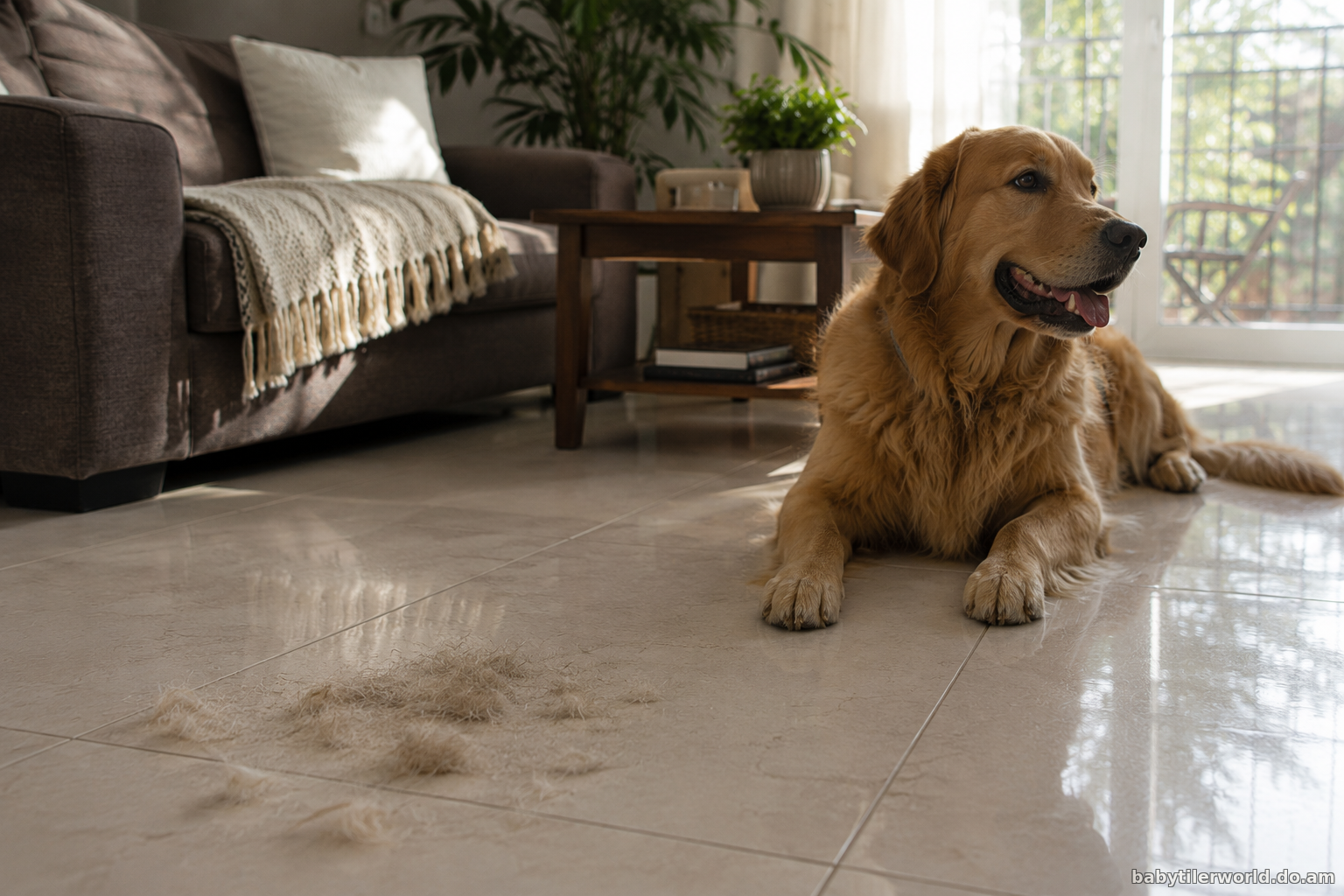
Pets bring joy into our homes, but they also shed hair, dander, and occasionally track dirt from outdoors.
Even short-haired pets produce microscopic skin flakes called pet dander.
Pet dander is one of the leading causes of indoor allergies.
Frequent cleaning removes:
* Loose hair
* Dander
* Paw prints
* Outdoor dirt
* Drool residue
This helps maintain a cleaner environment for both pets and people.
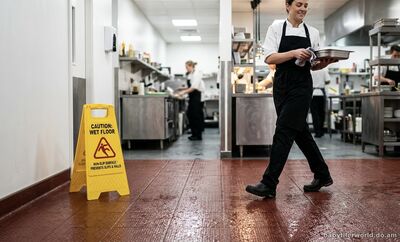
Prevents Slippery Floors
Health is not only about avoiding illness.
It also includes preventing injuries.
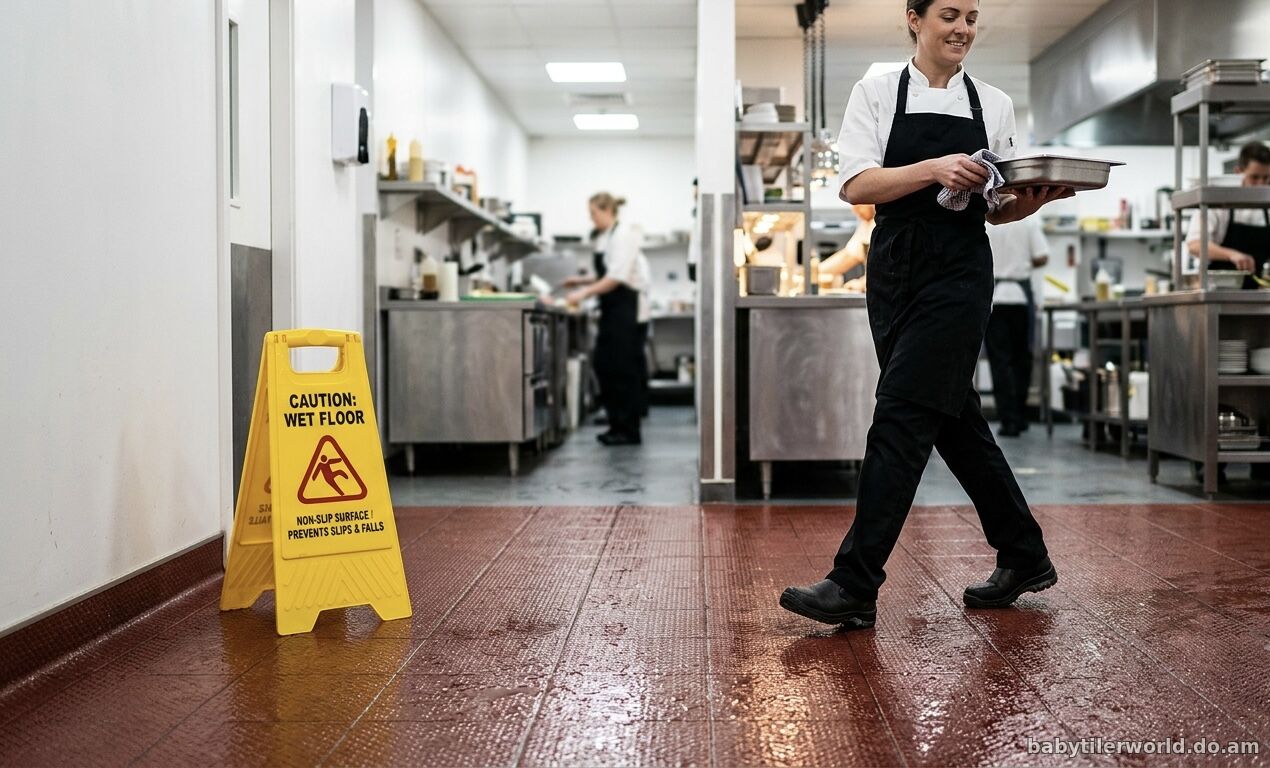
Kitchen grease, soap residue, spilled drinks, and accumulated grime can make tile floors slippery.
Regular cleaning removes these substances before they become a slipping hazard.
This is especially important for:
* Older adults
* Children
* Pregnant women
* Anyone with mobility challenges
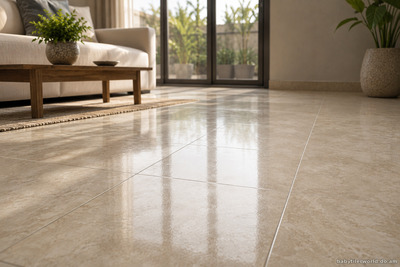
Extends the Life of Your Tile
Although this benefit is more financial than medical, it still contributes to a healthier home.
Dirt acts like fine sandpaper.
Every footstep grinds small abrasive particles against the tile surface.
Over time this can:
* Scratch finishes
* Dull polished surfaces
* Wear away protective sealers
* Damage grout
Routine cleaning removes these abrasive particles before they cause long-term damage.
Well-maintained tile not only looks better but also stays easier to clean.

Improves Mental Well-Being
A clean environment affects more than physical health.
Numerous studies have found that cluttered or dirty living spaces can increase feelings of stress and reduce overall well-being.
Walking into a freshly cleaned kitchen or bathroom often creates a sense of calm and comfort.
While cleaning itself may not always be enjoyable, the results often contribute to:
* Lower stress
* Better focus
* Increased comfort
* Greater satisfaction with your living space
A clean floor may seem like a small detail, but it contributes to how people experience their homes every day.

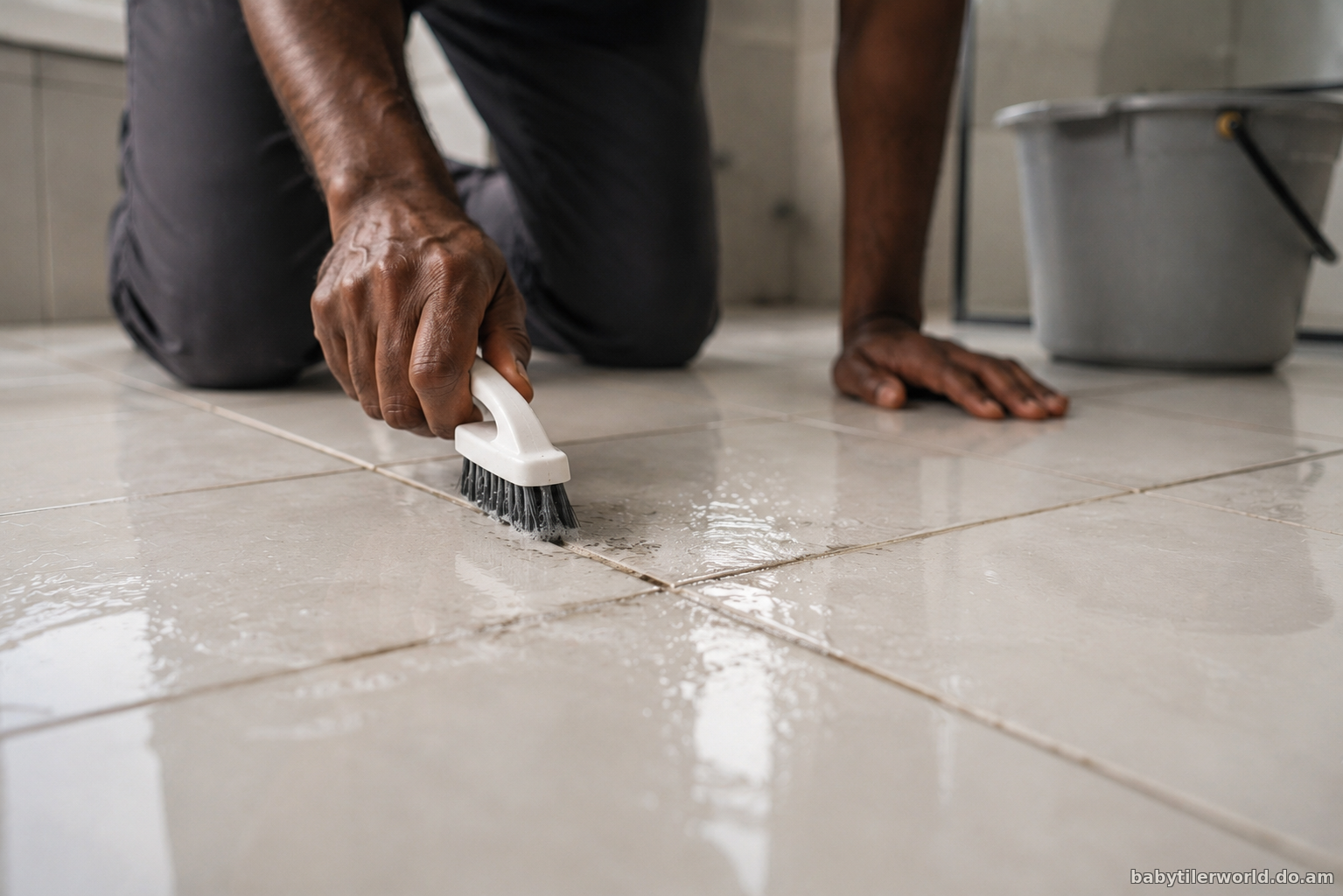
Cleaning Grout Matters Too
Many homeowners focus only on the tile surface.
However, grout deserves equal attention.
Because grout is porous, it absorbs:
* Dirt
* Moisture
* Oils
* Soap residue
Dirty grout can become a breeding ground for mold and bacteria if neglected.
Regular grout cleaning not only improves appearance but also supports better hygiene throughout the home.
For heavily stained grout, professional deep cleaning or resealing may occasionally be necessary.

How Often Should You Clean Tile Floors?
The ideal cleaning schedule depends on how much traffic your home receives.
A general guideline is:
* Sweep or vacuum high-traffic areas every day or every few days.
* Mop kitchens and bathrooms at least once a week.
* Wipe up spills immediately to prevent staining and bacterial growth.
* Deep clean grout every few months, or more often in areas exposed to heavy moisture.
* Keep bathroom floors as dry as possible after showers.
Homes with pets, young children, or large families may benefit from more frequent cleaning.
Simple Tips for Healthier Tile Floors
Keeping tile healthy doesn't require expensive equipment.
A few consistent habits make a big difference:
* Remove shoes at the entrance when possible.
* Vacuum before mopping to remove loose debris.
* Use clean mop water instead of spreading dirty water around.
* Allow floors to dry completely.
* Clean spills immediately.
* Pay attention to grout lines.
* Use cleaners recommended for your specific tile type.
* Improve ventilation in bathrooms and kitchens to reduce moisture.
Consistency matters far more than occasional intensive cleaning.
Common Cleaning Mistakes to Avoid
Even well-intentioned cleaning can cause problems if done incorrectly.
Avoid these common mistakes:
* Using too much detergent, which leaves a sticky residue that attracts dirt.
* Using harsh acidic cleaners on natural stone tiles.
* Allowing water to pool on grout for long periods.
* Cleaning with dirty mop water.
* Ignoring corners, edges, and grout lines where dirt accumulates.
Choosing the correct cleaning products for your tile material helps preserve both appearance and durability.
Final Thoughts
Regular tile cleaning is about much more than appearance. It helps reduce allergens, improves indoor air quality, limits the growth of mold and bacteria, lowers the risk of slips and falls, and creates a healthier environment for everyone in the home.
The good news is that maintaining tile doesn't require complicated routines. A combination of frequent sweeping, routine mopping, prompt spill cleanup, and occasional grout care can make a meaningful difference over time.
Clean tile supports a cleaner home, and a cleaner home supports healthier living. By making tile maintenance part of your regular household routine, you're investing not only in the beauty of your floors but also in the comfort, safety, and well-being of everyone who walks across them.
|