

0:17:04 AM What Is Cement? The Science Behind the World's Most Important Building Material |
What Is Cement? From Limestone to Your Living Room
Understanding the Material That Built the Modern World Look around you for a moment. The floor beneath your feet. Although these structures may look very different, many of them have one thing in common. Cement. It is one of the most widely used construction materials on Earth and has quietly shaped the modern world for nearly two centuries. Without it, our cities would look completely different. Skyscrapers, tunnels, dams, airports, sidewalks, homes, and even the foundations beneath your furniture owe much of their strength to this remarkable powder. Yet despite its importance, cement is often misunderstood. Many people use the words cement and concrete interchangeably, believing they describe the same material. Walk into almost any construction site and you'll hear phrases like, "They're pouring cement," or "The house is made of cement." Technically, that's not true. Understanding the difference isn't just a matter of terminology. It also helps explain why renovations generate so much dust and why certain construction activities present greater health risks than others. Before we can understand how cement dust affects the human body, we first need to understand what cement actually is, how it's made, and what happens when it becomes airborne.
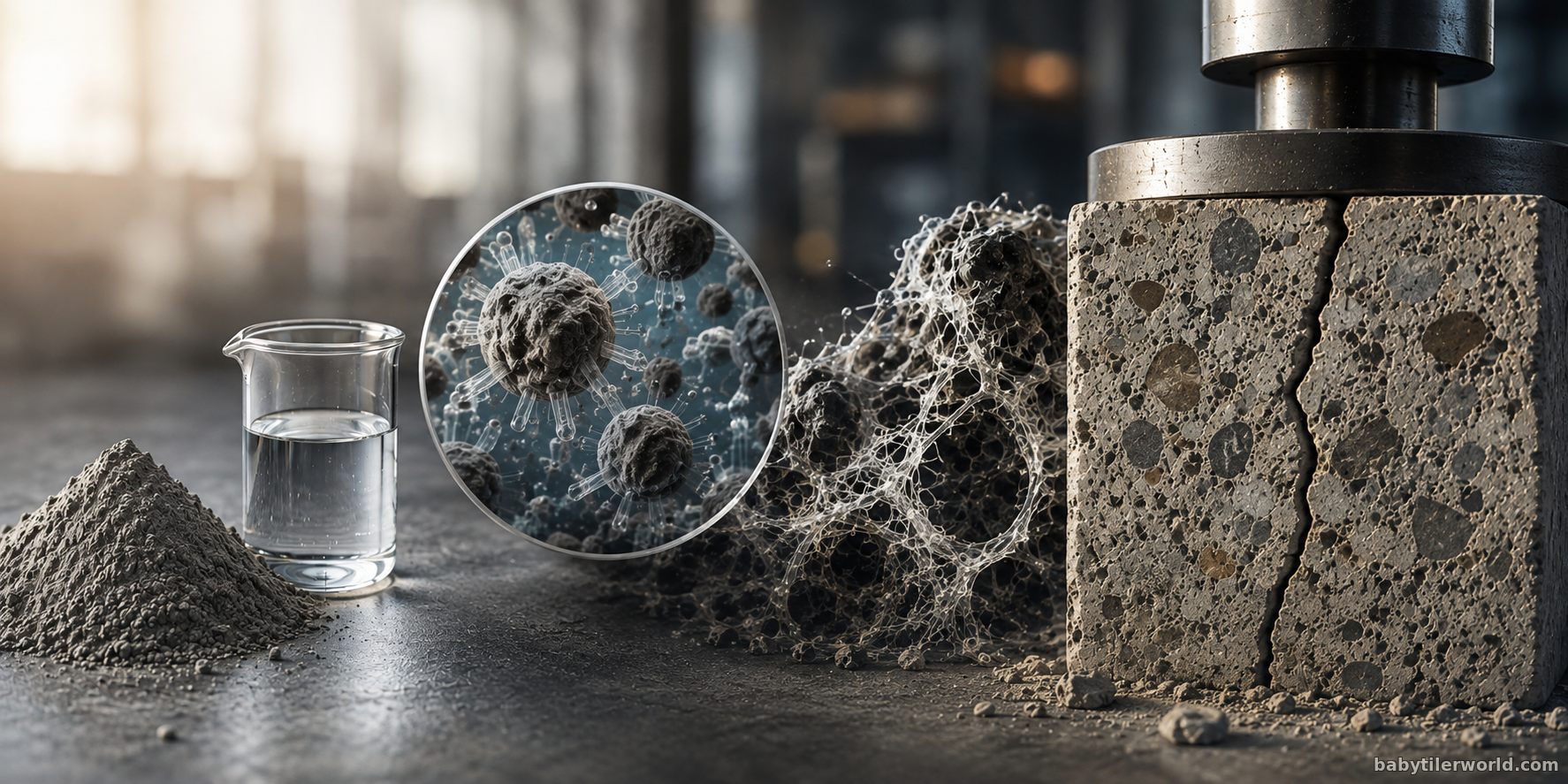
Cement: The World's Most Important Glue Imagine trying to build a brick wall without mortar. Or pouring a building foundation without anything to hold the stones together. It would quickly collapse. This is where cement comes in. Cement is a binding material, meaning its primary job is to hold other construction materials together. When mixed with water, it undergoes a series of chemical reactions that transform it from a soft, dry powder into a hard, stone-like material capable of supporting enormous loads. Think of it as the glue that holds modern construction together. But unlike ordinary glue, cement doesn't simply dry. It chemically reacts with water in a process known as hydration. This reaction forms microscopic crystals that interlock like millions of tiny hooks, gradually creating an incredibly strong internal structure. This is why freshly poured concrete becomes stronger over time. In fact, concrete continues to gain strength long after it appears dry.
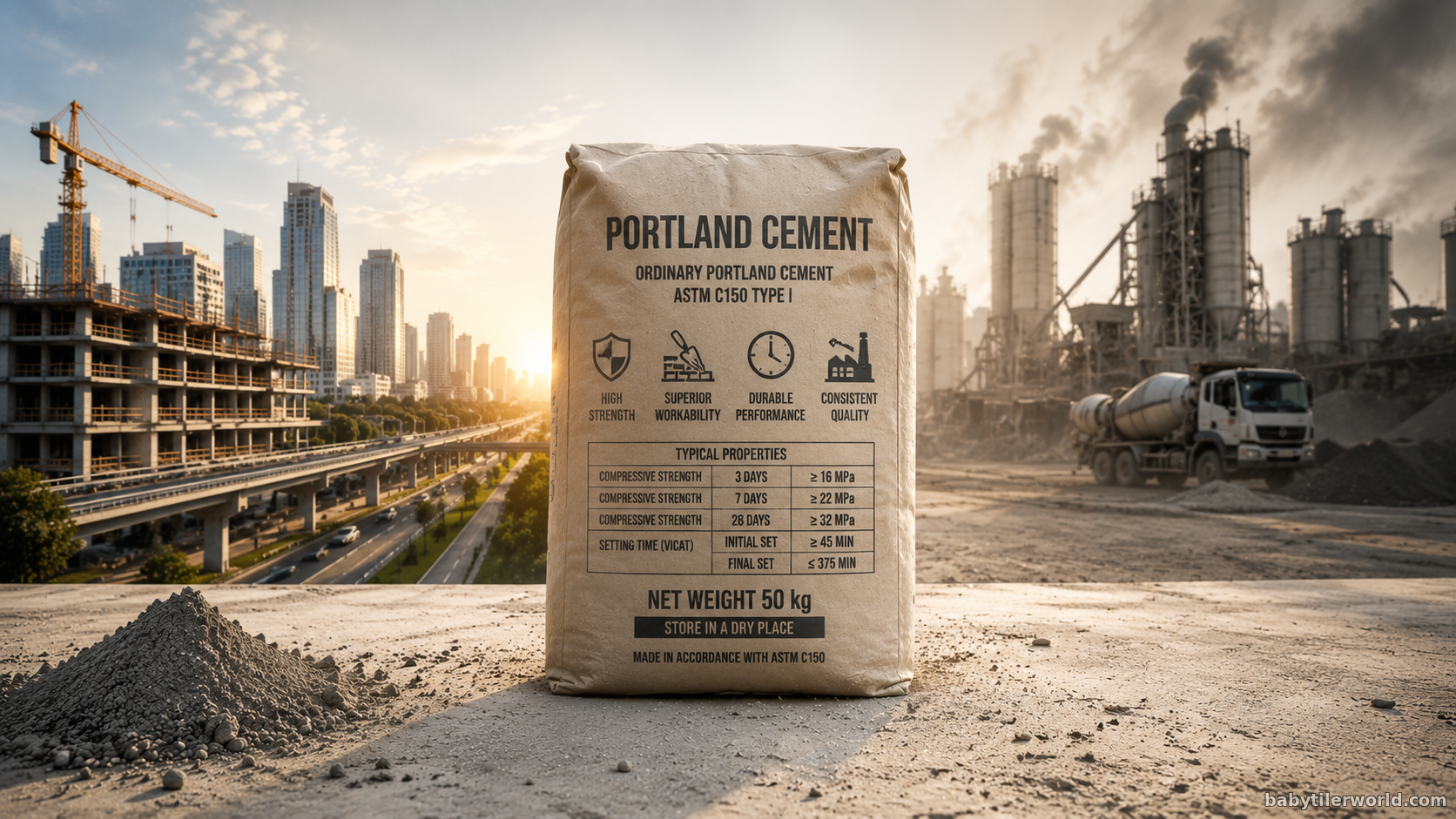
A Material With Ancient Origins Although modern cement feels like a relatively recent invention, humans have been experimenting with binding materials for thousands of years. The ancient Egyptians used gypsum-based mortars while constructing the pyramids. The Greeks mixed volcanic ash with lime. The Romans took this idea even further. By combining volcanic ash from areas around Mount Vesuvius with lime, they produced a remarkably durable material known today as Roman concrete. Some Roman structures built over 2,000 years ago remain standing today, including harbors, aqueducts, and the Pantheon in Rome. Scientists continue to study Roman concrete because, in some environments, it has demonstrated extraordinary long-term durability. Modern cement, however, is different. The material used in today's homes is primarily Ordinary Portland Cement (OPC), first developed in the early nineteenth century and named because its hardened appearance resembled building stone quarried on the Isle of Portland in England. Today, Portland cement forms the foundation of modern construction across virtually every country in the world.
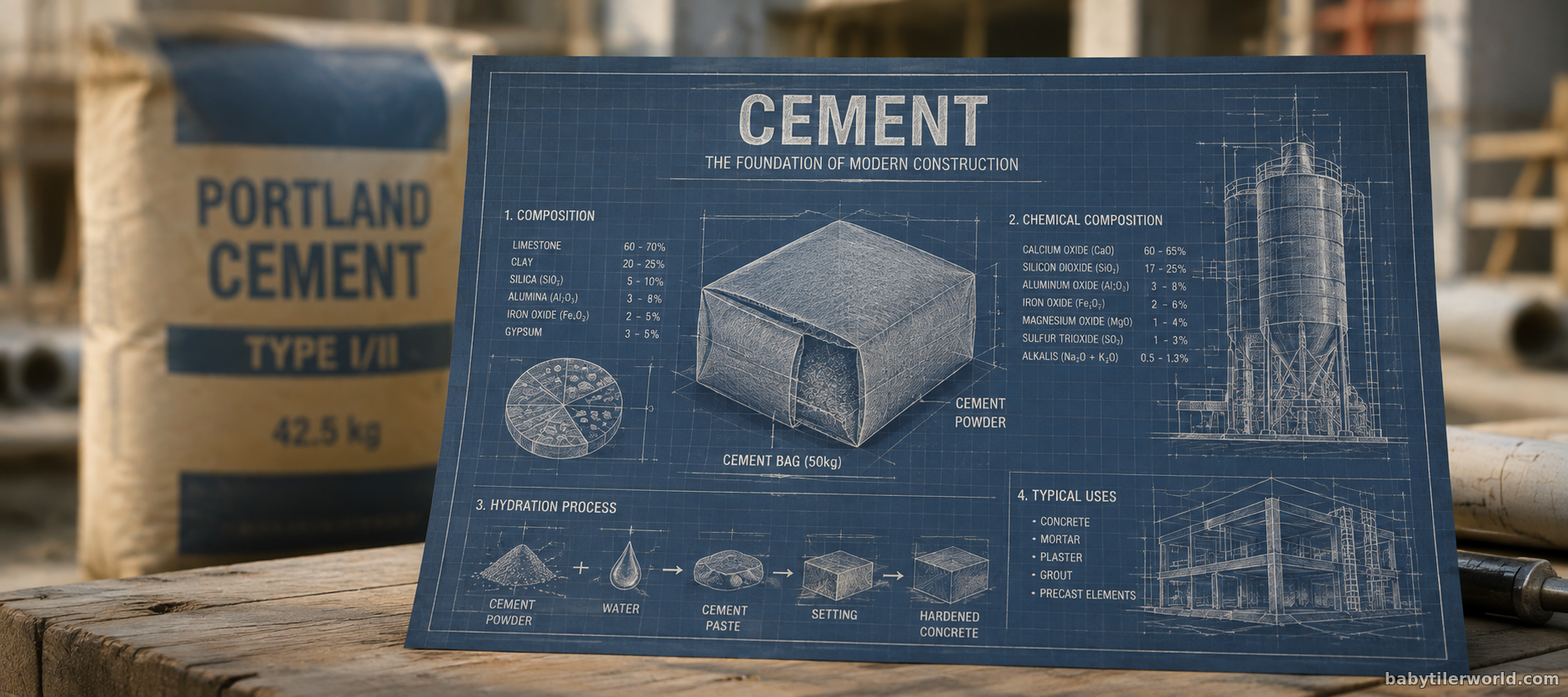
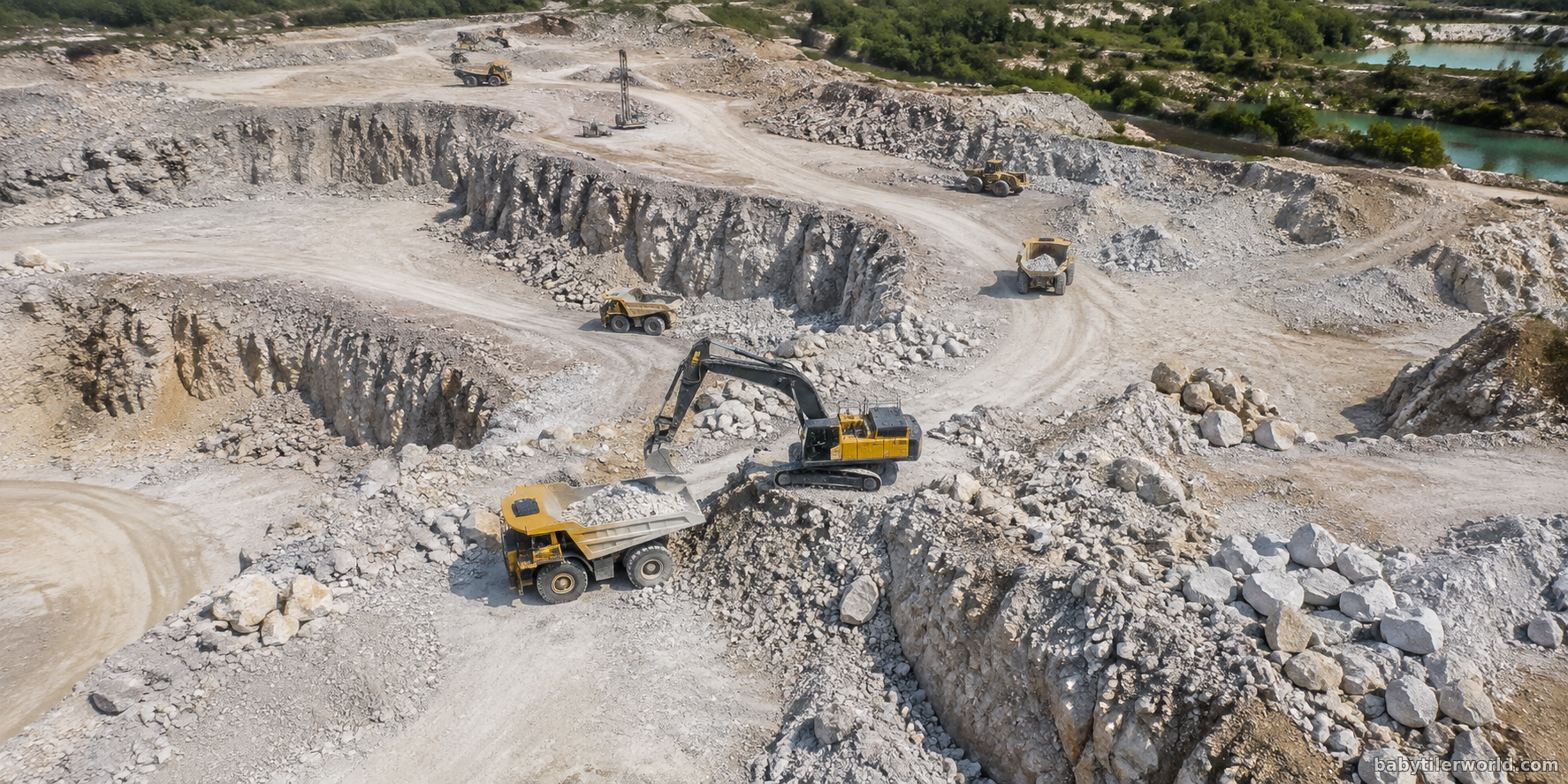
Where Does Cement Come From? At first glance, a bag of cement looks like nothing more than fine grey powder. Its journey, however, begins deep beneath the Earth's surface. The primary raw materials used to manufacture Portland cement include:
Of these, limestone is by far the most important. Limestone consists largely of calcium carbonate, a naturally occurring mineral formed over millions of years from the remains of ancient marine organisms. Large limestone deposits are quarried around the world before being transported to cement manufacturing plants. There, enormous crushers reduce massive rocks into smaller fragments. These fragments are blended with clay and other minerals in carefully controlled proportions. Every ingredient plays a specific role. Too much limestone affects the chemistry. Too little clay weakens the final product. Producing high-quality cement is therefore a carefully controlled scientific process rather than simply grinding rocks together.
Turning Stone Into Powder Once the raw materials have been prepared, they enter one of the most energy-intensive manufacturing processes in the construction industry. The blended materials pass into a massive rotating kiln, essentially a giant steel cylinder that slowly turns while temperatures inside reach approximately 1,450°C (2,640°F). To appreciate how hot that is:
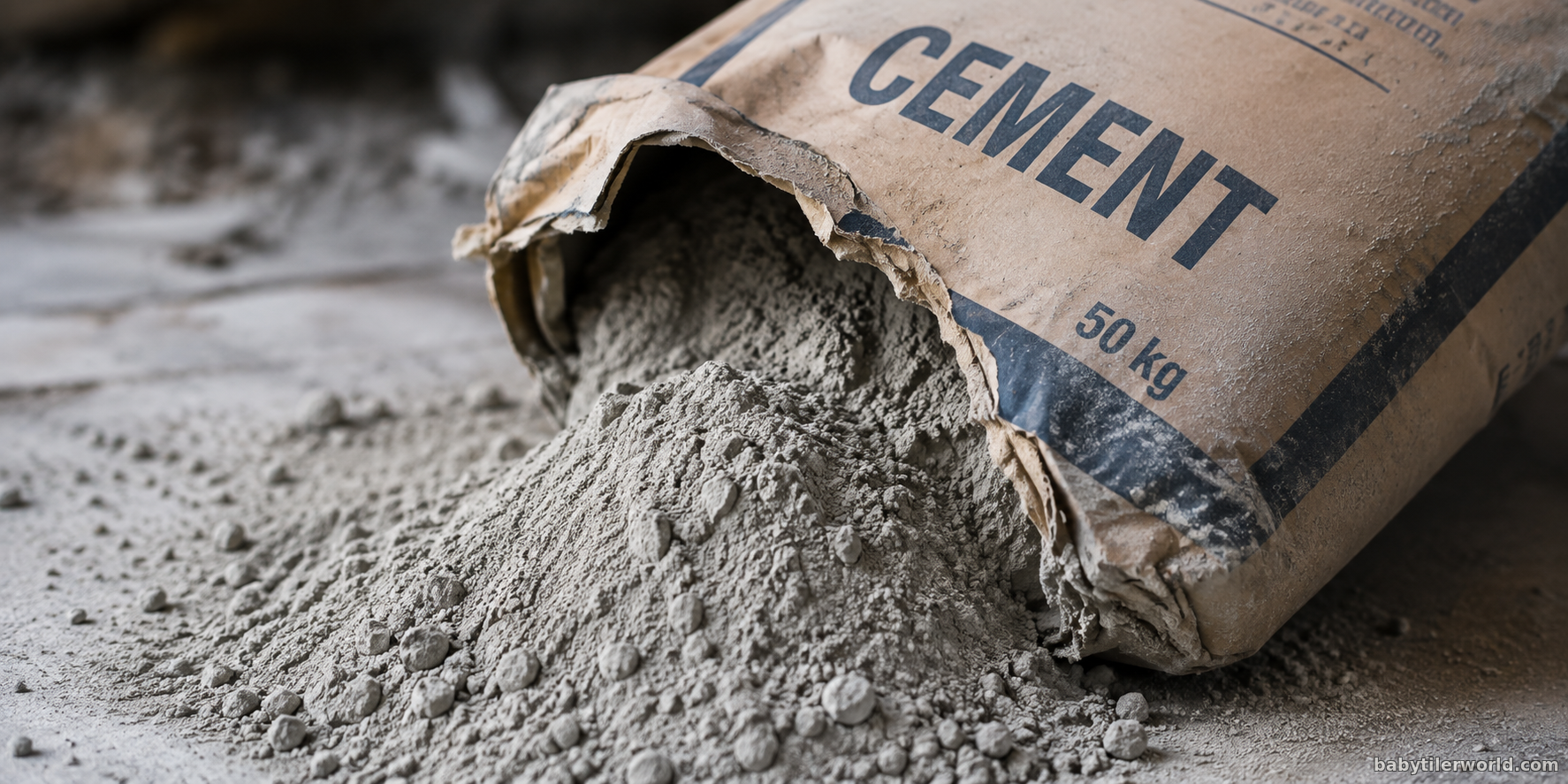
The cement kiln operates at temperatures even higher than all of these. Inside the kiln, complex chemical reactions transform the raw minerals into small, dark grey nodules known as clinker. Clinker is the true heart of cement. After leaving the kiln, it is cooled rapidly before being ground into an extremely fine powder. A small amount of gypsum is added during grinding. Without gypsum, cement would harden almost immediately after water is added, making it nearly impossible for builders to transport or place. This final powder becomes the cement delivered to construction sites around the world.
Why Is Cement So Powdery? One characteristic surprises many homeowners. Cement isn't naturally dusty because something has gone wrong. It's intentionally manufactured as an extremely fine powder. Why? Because the finer the particles, the greater their total surface area. Greater surface area allows water to contact more particles simultaneously, improving hydration and helping cement develop strength more efficiently. This fine texture is one reason cement performs so well in construction. Unfortunately, it is also one reason cement dust can become airborne so easily. Even gentle disturbances such as opening a bag, pouring cement into a mixing tray, or shoveling dry powder can release thousands of microscopic particles into the surrounding air.
Cement Is Not Concrete Perhaps the biggest misunderstanding in construction involves the difference between cement and concrete. These words are often used interchangeably, but they describe completely different things. A useful comparison is baking. Imagine making a cake. Flour is one ingredient. Eggs, sugar, butter, and baking powder are others. Flour alone is not a cake. Similarly, cement alone is not concrete. Concrete is made by combining:
When water is added, the cement acts like a binder, coating the sand and gravel before gradually hardening into a single solid mass. Without cement, the sand and stones would never lock together. Without sand and gravel, cement alone would be too expensive and prone to cracking for most structural uses. Each ingredient contributes something essential.
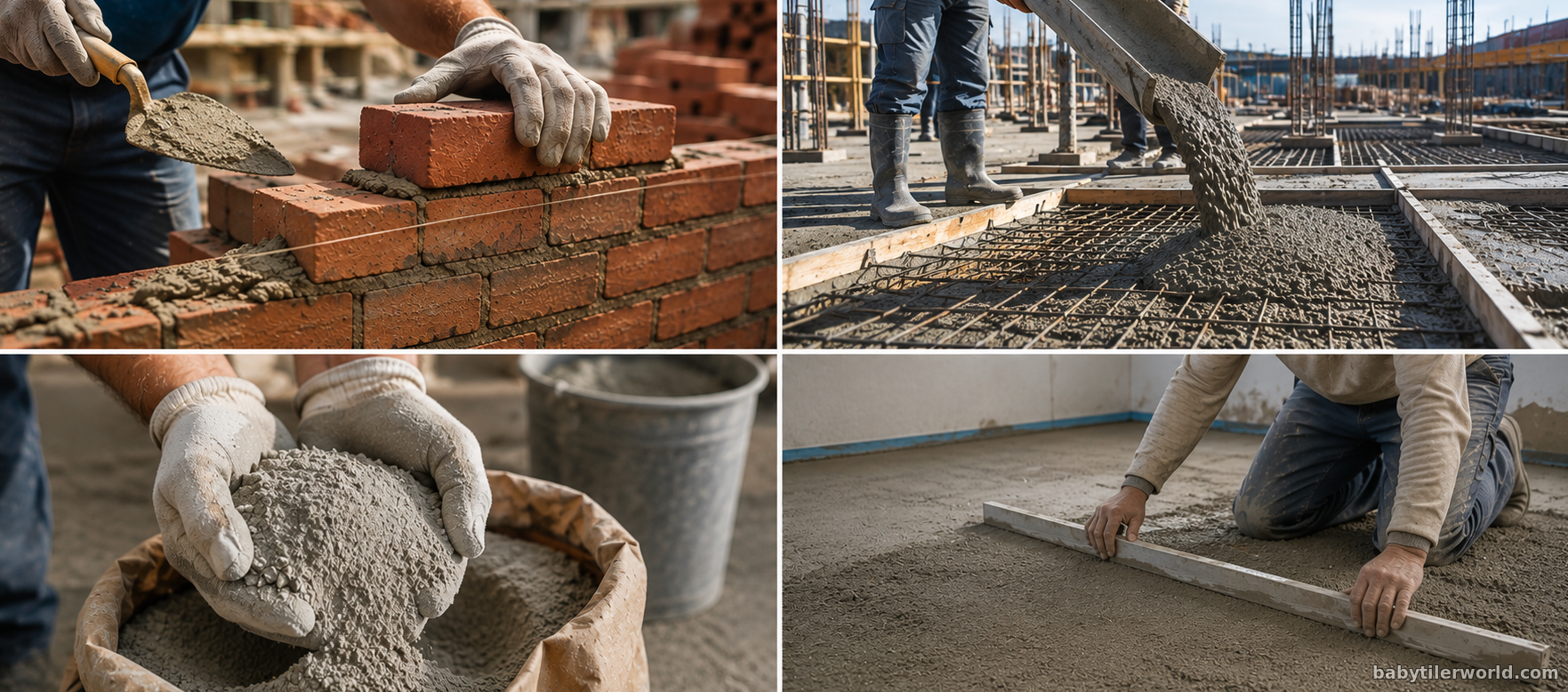
Cement, Mortar, Concrete and Screed: What's the Difference? Homeowners frequently encounter several cement-based materials during renovation. Although they appear similar, they serve different purposes. Cement A fine binding powder used as an ingredient in many construction materials.
Concrete A structural material consisting of cement, water, sand, and coarse aggregates. Used for:
Mortar A mixture of cement, sand, and water. Used primarily for:
Unlike concrete, mortar usually contains no large stones.
Screed A smoother mixture applied over structural concrete floors to create a flat surface before installing tiles, vinyl, carpet, or timber flooring. Many homeowners encounter screed during floor renovations.
Understanding these differences helps explain why renovation activities generate varying amounts and types of dust.
The Chemistry That Makes Cement Strong One of cement's most fascinating characteristics is that it doesn't simply dry like paint. It undergoes a chemical transformation. When water is added, compounds within the cement begin reacting almost immediately. Scientists call this process hydration. During hydration:
This process continues long after the surface feels dry. Although concrete is often described as curing for 28 days, hydration continues at a slower rate for months and even years under suitable conditions.
Why Wet Cement Can Be Dangerous Most people associate burns with heat. Wet cement proves otherwise. Fresh cement mixed with water becomes highly alkaline, typically reaching a pH between 12 and 13. For comparison:
Because wet cement is strongly alkaline, prolonged skin contact can damage living tissue. Unlike burns caused by heat, cement burns often develop gradually. A person may not notice discomfort immediately. Hours later, redness, irritation, blistering, or even deeper chemical burns can appear. This is why construction professionals are encouraged to wash cement from their skin promptly and wear appropriate protective clothing when handling wet mixes.
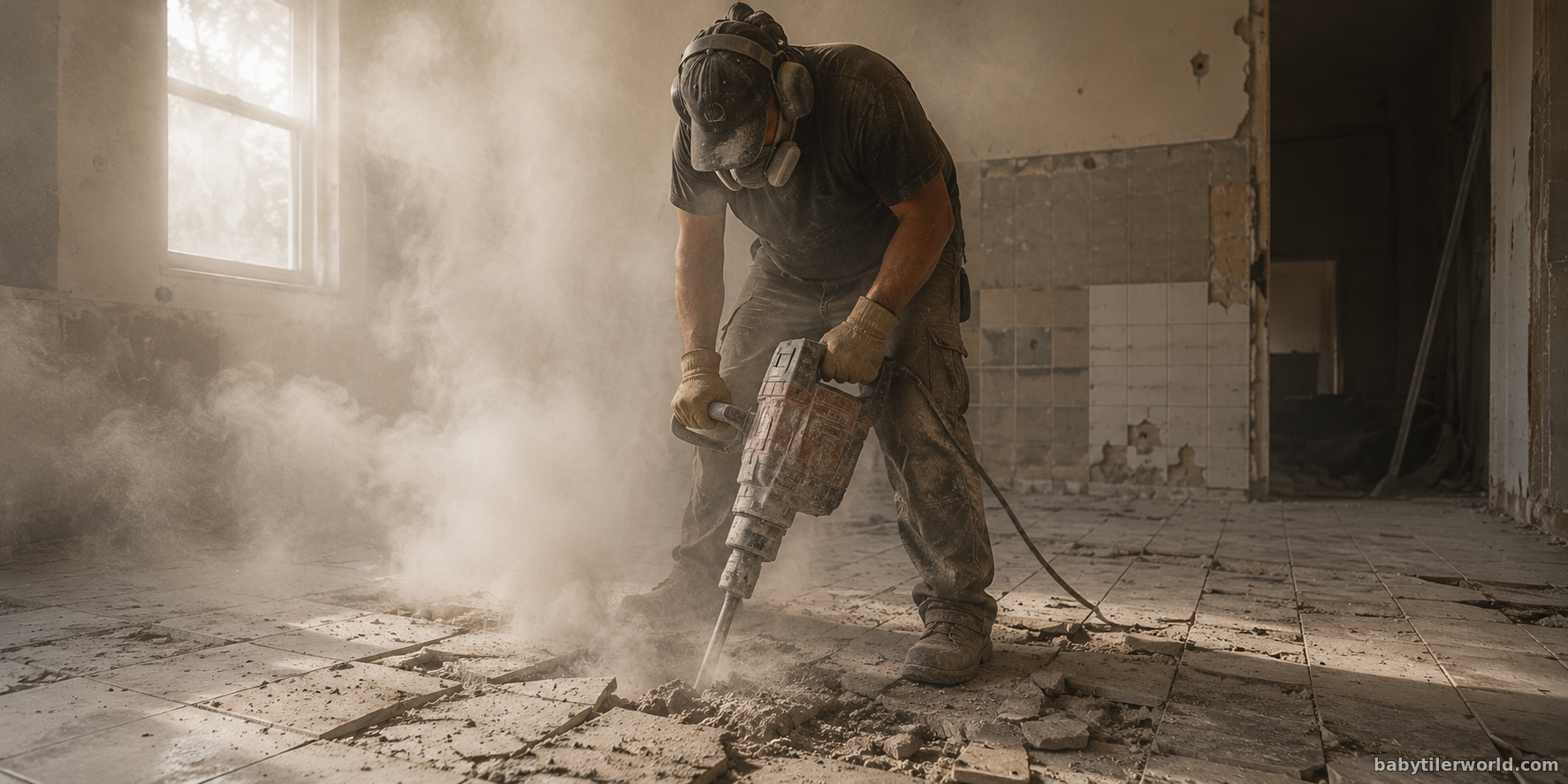
Cement Doesn't Become Dangerous Until It's Disturbed A cured concrete floor in your living room is generally not releasing significant amounts of cement dust during normal use. The concern begins when cement-based materials are disturbed. Activities such as:
can all generate fine airborne dust. Depending on the material involved, these activities may also release respirable crystalline silica, making dust control especially important.
Why Renovation Produces So Much Dust Have you ever wondered why renovation creates far more dust than ordinary household cleaning? The answer lies in particle size. When construction materials are broken apart, millions of tiny fragments are created. Some fall immediately. Others become suspended in the air. The smallest remain airborne for extended periods, especially indoors where airflow is limited. The World Health Organization (WHO) notes that fine particulate matter can remain suspended and be inhaled into the respiratory system. In enclosed renovation environments with inadequate ventilation, these particles may accumulate, increasing the likelihood of exposure. This is why a room can appear clean while still containing invisible airborne particles.
Cement: A Friend and a Responsibility It would be unfair to portray cement as a dangerous material that should be avoided. The truth is quite the opposite. Modern civilization depends on it. Hospitals. Schools. Roads. Water treatment plants. Homes. Bridges. Without cement, many of the structures that support daily life simply would not exist. The issue is not that cement is inherently "bad." The issue is understanding how to use it safely. Like electricity, fuel, or household cleaning chemicals, cement is an incredibly useful material when handled responsibly. Awareness, preparation, and proper dust-control practices make all the difference.
Looking Ahead Now that we've explored what cement is, how it's made, and why it plays such a vital role in modern construction, we can begin to understand why renovation activities create airborne dust in the first place. In the next chapter, we'll follow that journey step by step, from opening a bag of cement to cutting concrete and removing old tiles, revealing exactly how renovation transforms solid building materials into microscopic airborne particles and why those particles can spread far beyond the room where the work began.
Key Takeaways
|
|
|

| Total comments: 0 | |